The Children’s Place Inc. Files for Chapter 11 Bankruptcy Protection and Initiates Asset Sale Process

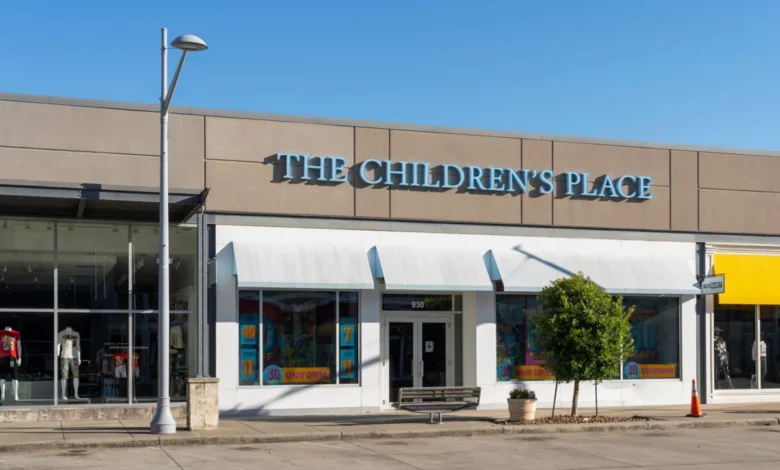
The Children’s Place Inc., a long-standing titan of the American retail landscape and a prominent fixture in children’s apparel, officially filed for Chapter 11 bankruptcy protection on November 8. The move, aimed at facilitating a comprehensive financial restructuring, marks a significant turning point for the retailer, which has served families for nearly six decades. The company has confirmed its intent to pursue the sale of substantially all of its assets, with a formal bidding process scheduled to commence in December. Despite the gravity of the legal filing, the retailer has emphasized that its e-commerce platforms and physical storefronts will remain operational throughout the court-supervised transition.
The Financial Catalyst for Restructuring
The decision to seek bankruptcy protection follows a period of protracted financial instability. As reflected in the company’s recent performance data, the retail environment has proven increasingly hostile for mid-market apparel brands. In its fiscal second quarter, which concluded on August 1, The Children’s Place reported a stark 18.9% decline in net sales year-over-year, totaling $241.8 million. This contraction resulted in a quarterly net loss of $31.0 million, underscoring the severity of the liquidity constraints the company has faced.
Market analysts point to a confluence of factors contributing to this decline. These include shifts in consumer spending habits, intense competition from fast-fashion incumbents, and the rising costs associated with supply chain logistics. By utilizing the Chapter 11 mechanism, the company aims to shed legacy debt, renegotiate onerous lease agreements, and optimize its physical footprint, ultimately positioning itself as a more lean and agile organization for a potential buyer.
Organizational Instability and Leadership Departures
The bankruptcy filing occurs against a backdrop of significant management volatility. In the days leading up to the official filing, U.S. Securities and Exchange Commission (SEC) documents dated November 4 revealed the sudden departure of several key executive leaders. These high-level exits occurred at a critical juncture for the organization, necessitating immediate internal shifts to maintain operational continuity. John Szczepanski has been appointed as the acting president, tasked with navigating the company through the complex legal and operational requirements of the Chapter 11 process.
The departure of key leadership often signals a lack of consensus on the future direction of a firm or an acknowledgment that the existing management structure is not equipped to handle the demands of a turnaround. For shareholders and vendors, these vacancies have created a sense of uncertainty regarding the stability of the company’s vision during the asset sale process.
A Chronology of the Decline
The trajectory leading to the current filing can be traced back through several quarters of fiscal underperformance. The following timeline outlines the key markers of the retailer’s recent challenges:
- Fiscal Q2 2024: The company reports an 18.9% drop in net sales and a $31 million loss, highlighting the depth of its fiscal crisis.
- Early November 2024: Reports emerge of multiple high-level executive departures, triggering speculation regarding the company’s long-term viability.
- November 4, 2024: Formal documentation of leadership changes is filed with the SEC; John Szczepanski assumes the role of acting president.
- November 8, 2024: The Children’s Place files for Chapter 11 bankruptcy in a series of court documents, outlining plans for an asset sale.
- December 2024: The company sets a deadline of December 9 for interested parties to submit initial bids for its assets.
- 2026 Projection: The company anticipates that the court-supervised sale process will be fully concluded by the end of 2026.
The Role of E-commerce and Digital Positioning
As a recognized player in the digital space, The Children’s Place occupies the 199th position in the Digital Commerce 360 Top 1000 Database, which tracks the largest online retailers in North America based on annual e-commerce performance. Furthermore, the company is ranked 753rd in the AI Commerce Rankings, indicating that despite its brick-and-mortar legacy, the firm has attempted to integrate modern digital technologies into its operations.
The fact that the e-commerce site will remain live during the bankruptcy process is crucial for maintaining the brand’s valuation. In modern retail, the digital channel often represents the most valuable portion of an asset portfolio, providing a direct link to the consumer base and a wealth of proprietary data. Prospective buyers are likely to be interested in the brand’s digital infrastructure, customer loyalty programs, and existing web traffic as much as they are interested in the physical retail locations.
Official Responses and Strategic Intent
Rudy Morando, co-chief restructuring officer of The Children’s Place, has maintained a tone of cautious optimism regarding the path forward. In a formal statement released following the filing, Morando stated, "Today’s announcement marks an important step in our efforts to secure the best path forward for The Children’s Place. For nearly 60 years, The Children’s Place has supported growing families with apparel that customers have come to know and love."
Morando further emphasized the necessity of transparency throughout the proceedings. "We recognize the significance of this development for our employees, customers, vendors, and other partners, and we are committed to conducting an efficient and transparent sale process," he added. The commitment to maintaining operations is intended to reassure suppliers and customers that the brand remains a viable entity, at least in the short term. However, the success of this transition will depend heavily on whether the company can attract competitive bids by the December deadline.
Market Implications and Future Outlook
The filing of The Children’s Place is representative of a broader trend in the retail sector where legacy brands are struggling to pivot in the face of changing demographics and digital transformation. When a company with the scale of The Children’s Place enters bankruptcy, the ripples are felt throughout the retail ecosystem, impacting supply chain partners, commercial landlords, and employees.
A key implication of this bankruptcy is the potential for a massive downsizing of the company’s physical retail presence. As the company looks to "fund a broad restructuring," it is highly likely that many underperforming stores will be closed as part of the asset optimization plan. Landlords, particularly in regional malls that rely on family-friendly anchors to drive foot traffic, will be watching the proceedings closely.
Furthermore, the industry will be monitoring the valuation of the brand. If the sale concludes successfully by 2026, it will likely involve a private equity firm or a retail conglomerate acquiring the brand’s intellectual property, digital assets, and a pared-down list of profitable retail locations. If the bidding process fails to yield a buyer at the expected valuation, the company could face a more aggressive liquidation, which would have more severe consequences for its workforce and its standing in the North American retail market.
Concluding Analysis
The bankruptcy of The Children’s Place is not merely an isolated corporate failure but a reflection of the intense pressures facing specialized retail. The brand’s reliance on a large physical footprint, combined with the shifting tides of consumer behavior toward digital-first shopping, created a structural imbalance that the current leadership has struggled to reconcile.
The next several months will be defined by the quality of bids received in December and the court’s willingness to approve a restructuring plan that satisfies creditors while preserving the brand’s identity. For now, the retailer remains in a precarious holding pattern. Customers and stakeholders will be looking for signs of stabilization as the company attempts to leverage its nearly 60-year legacy to secure a future in an increasingly crowded and competitive marketplace. Whether the brand emerges from this process as a leaner, more robust entity or is absorbed by a larger retail conglomerate remains to be seen, but the outcome will serve as a significant case study for the future of specialty apparel retail in the 21st century.
Related posts: